The New HR: How AI in Human Resource is Shaping the Future
Generative Artificial Intelligence (AI) is transforming the corporate world in ways we’ve never seen before, notably in the Human Resources (HR) department. According to Gartner, 76% of HR leaders anticipate that if their organisations do not adopt AI solutions, including generative AI in human resource, within the next 12–24 months, they risk falling behind.
However, there are fears that AI could jeopardize 300 million full-time jobs worldwide. Many in the HR field also predict a decrease in their department’s headcount due to the implementation of generative AI in human resource.
Thus, it’s up to HR to guide these changes and drive the adoption of AI in a manner that benefits the organisation while mitigating potential risks.
Table of Contents
How is AI Used in Human Resource?
As businesses embark on digital transformation journeys, HR’s role in adopting Artificial Intelligence (AI), including Generative AI, becomes vital. AI in human resource processes goes beyond automation, enhancing HR functions to create a more efficient and productive environment.
Generative AI streamlines tasks such as recruitment, onboarding, employee engagement, performance management, and payroll processing. For example, AI can automate resume screening, saving time and reducing hiring bias. AI-powered chatbots assist new employees during onboarding, ensuring a smooth transition.
AI also personalizes communication and support, analyzing employee feedback to provide insights into morale and areas needing attention. Performance management becomes data-driven, with AI offering real-time feedback and identifying trends for additional training or support.
However, this transition presents challenges. Empathy is crucial; HR leaders should lead with compassion and understanding. Effective communication about the changes AI in human resource processes will bring, along with transparency and open dialogue, can alleviate concerns and anxieties.
The Benefits of Employing Generative AI in HR Processes
1. Leading Digital Transformation
Generative AI in the workforce extends beyond just job augmentation and displacement, and includes equipping individuals with the skills necessary to succeed in this dawning era. HR teams need to assist business leaders in balancing the efficiency gains from generative AI in human resource with the human qualities that remain essential for businesses.
For instance, IBM is leveraging its AI to transform their HR and make it more efficient. Their AI tool, Watson, assists in various tasks such as talent acquisition, learning and development, and career advice. Additionally, it is used to predict employee performance, aiding managers in making decisions about promotions and pay rises. This also provided a 96% accuracy rate in anticipating workers who are considering to quit.
2. Enhancing HR Productivity
Generative AI tools, such as ChatGPT, are revolutionizing HR operations by simplifying tasks like recruitment, onboarding, personal development, and everyday administrative duties. By generating content, analyzing data, and creating reports, these various AI tools could potentially enhance productivity by up to 30%.
A prime example to reference is ADP, a human resources management software and services provider that uses AI to automate repetitive tasks such as time tracking, payroll, and benefits administration. Their AI has significantly improved efficiency, reducing payroll processing time by up to 40% and decreasing errors by 33% due to automated time tracking.
Moreover, Generative AI aids service representatives by summarising phone calls, benefiting both the representatives and the clients. This technology does not replace representatives, but rather, it empowers them to work more efficiently and enhance the client experience.
3. Customizing Employee Services
Apart from improving internal operations, Generative AI can develop new tools for employees to enhance their experience. HR chatbots, like the AI-powered HR assistant provided by Leena AI, can effectively reduces the workload on HR teams via:
Recruitment efforts
Assist with onboarding
Resolve common employee enquiries.
Hilton Hotels implemented LeapIn AI in their recruitment process. This enabled them to fill positions in just 7 days, leading to a 50% reduction in turnover.
Generative AI also allows HR teams to offer intuitive and tailored self-service applications. Advanced AI chatbots can understand context and content, making them more effective than basic models.
Furthermore, Generative AI can facilitate personalised employee services. HR “co-pilots” can guide employees on career development, learning opportunities, personal goals reminders, and even identify when an employee might need stress relief or additional support. It can also aid in creating custom learning and development plans for each employee.
4. Aiding with Payroll Reporting and Processing
Xero employs AI to streamline its payroll processes. The system can project up to 90 days into the future, offer predictive insights, and help detect any potential payroll errors before they happen. This not only saves time but also minimizes the risk of mistakes.
Is AI Going to Replace HR? HR’s Crucial Role in Leading AI Adoption
As businesses increasingly embark on digital transformation journeys, HR’s role in leading the adoption of Artificial Intelligence (AI), including its advanced form, Generative AI, is becoming vital. HR departments have the opportunity to showcase AI’s transformative potential, yet this transition is not without challenges.
1. Planning for Workforce Impact
HR leaders need to plan for the workforce impact meticulously, taking into account how AI will affect jobs and the necessary skills for future business success. HR can play a significant role in guiding people through these changes, ensuring that the human aspect remains central in the organization.
2. The Importance of Empathy
Empathy is crucial during this transition. Given that change can be intimidating, HR leaders should lead with compassion and understanding. HR needs to be mindful of how the introduction of AI will be perceived and received by the employees.
It’s essential to communicate effectively about the changes AI will bring to the organization and the benefits it offers. Transparency and open dialogue can help to alleviate any potential concerns or anxieties. It’s also important to highlight the areas where AI can’t replace human input.
Adopting new tools is part of this journey. HR can learn from other organizations that have successfully implemented generative AI and identify their own use cases. A balanced approach is recommended, involving strategic deployments of generative AI, along with quick-win projects that can help build knowledge and enthusiasm.
4. Addressing Concerns and Ethical Considerations
Concerns about AI adoption are widespread. Kevin Fitzgerald, Managing Director Asia at Employment Hero, suggests that HR leaders need to address these concerns. Prioritizing workforce education is crucial for ethical AI use.
Concerns about AI adoption in HR primarily revolve around:
Ethical use of AI, ensuring fairness and absence of bias, triggers concerns in 65% of AI adoption cases.
Employee privacy, particularly the handling and protection of sensitive data by AI tools, is a concern for 37% of cases.
Trust in the accurate task performance of AI systems is a concern for 26% of cases.
AI governance, meaning the management and supervision of these systems, raises concerns in another 26% of cases.
Notably, 73% of HR professionals think that the rapid progress in AI development should be slowed down.
5. Keeping the Human in Human Resources
While AI can augment businesses in various ways, it is not a replacement for humans. Instead, it enhances the quality and scope of human capabilities. Human interaction remains critical in several aspects:
Empathy and understanding are irreplaceable in customer service or HR. Whilst AI can handle routine queries, human touch is vital for complex or emotionally-charged situations.
Humans excel in creativity and innovation. Whilst AI can generate ideas based on existing data, humans can think outside the box and envision new concepts.
Ethical considerations require human oversight. AI functions based on its programming and doesn’t possess moral judgement. Humans should be involved in decisions with ethical implications to ensure responsible and ethical use of AI systems.
Despite AI streamlining administrative tasks, HR personnel remain essential. AI lacks the human elements like empathy and understanding needed in complex situations. Creativity, innovation, and ethical supervision, strengths of humans, are irreplaceable. Hence, AI in human resource can augment but not replace human capabilities in HR.
The Best AI Resource for HR and Business Transformation In Singapore
SGTech has unveiled the ‘Generative AI for the Tech Workforce,’ a guide geared towards fostering digital transformation for companies. As a Skills Development Partner, SGTech is entrusted with outlining job roles and skill prerequisites across both tech and non-tech sectors to cater to the changing GenAI landscape.
This resource is particularly beneficial for small and medium-sized enterprises (SMEs) looking to employ Generative Artificial Intelligence (GenAI) solutions and train their staff accordingly. Co-developed by SkillsFuture Singapore (SSG) and AI Singapore (AISG), we hope business owners are well equipped t:
harness GenAI to enhance business efficiency
launch new products and services
The guide also incorporates three GenAI business solution use cases, a tech talent profile, an overview of necessary GenAI skills for employees, and resources to aid business owners in implementing GenAI in their businesses and workforce. It serves as a practical handbook for both businesses and individuals navigating this evolving landscape.
Wrapping Up
In conclusion, the adoption of generative AI in human resource processes can transform the corporate world, offering substantial gains in productivity, employee services, and digital transformation leadership. However, it comes with challenges, including the potential impact on jobs and the need for workforce education on ethical AI use.
HR departments need to spearhead the integration of AI in human resource functions, investing in continuous learning programmes for AI literacy. This ensures employees’ confidence to work alongside AI and maintains the crucial human elements in management. Resources like SGTech’s guide can aid businesses to effectively utilise generative AI in human resource for enhancing efficiency and exploring new opportunities. Additionally, recruitment companies in Singapore are also starting to leverage these AI advancements to streamline their processes and provide better services to their clients.
Mental Health in the Workplace: Factors, Impact & How to Improve
Singapore’s work environment is notorious for its high pressure, affecting mental health in the workplace significantly. It influences productivity, job satisfaction, and even creating workplace conflict among colleagues.
According to the recent National Population Health Survey, the prevalence of poor mental health escalated from 13.4% in 2020 to a shocking 17% in 2022. This data highlights the urgent need to focus on strategies that prioritise and actively promote mental wellbeing.
Table of Contents
Current State of Mental Wellbeing in Singapore Workplaces
These compelling findings underscore the urgency for employers and policymakers to prioritise mental wellbeing in their strategies and policies. It is crucial to address these concerns for the betterment of the workforce and the overall performance of organisations.
The survey conducted by the Ministry of Health studied the health, risk factors, and lifestyle habits of Singapore residents aged 18 to 74 from July 2021 to June 2022. The highest rate of poor mental health was found amongst younger adults aged 18 to 29, at 25.3%. Furthermore, gender disparities were observed, with a higher percentage of females (18.6%) reporting poor mental health than males (15.2%).
When compared to other Asian markets surveyed in 2023, Singapore’s stress levels were lower than Hong Kong’s 19%, but twice as high as mainland China’s 8%, globally, Singaporeans rank among the most stressed at work.
Factors Affecting Mental Health & Wellbeing in Singapore Workplaces
Workplace mental health in Singapore is a complex issue, shaped by a combination of factors:
1. Economic Factors
Singapore’s high-pressure work environment, with its relentless deadlines, certainly adds to the stress. But it’s not just the job itself. Economic factors, like the rising cost of living spiked by the GST hike, pile on even more stress. Furthermore, we can’t ignore the mental toll from broader economic trends like inflation, recessions, and layoffs.
2. Financial Stress
Interestingly, it turns out Singaporean workers are more stressed about their finances than most people worldwide. This money stress doesn’t just affect mental wellbeing – it also hits productivity and efficiency. Half of Singaporean workers were stressed about money, a figure that’s 10% higher than the global average. And this financial stress is thought to knock overall productivity and efficiency down by a staggering 20%.
3. The Challenge of Balancing Work and Personal Life
Work-life balance, or more accurately, the lack of it, is another big challenge that many employees face. With 70% of Singaporeans point to poor work-life balance due to heavy workloads as a major worry, this issue doesn’t just exist in a vacuum. It heavily impacts their mental wellbeing, productivity, and happiness at work.
While having a supportive work environment is essential for mental wellbeing, it’s concerning to see that many workplaces in Singapore still fall short in this area.
81% of Singapore employers have taken steps to combat workplace discrimination and foster diversity and inclusion. But, there’s still a significant 19% who haven’t. These workplaces may unintentionally leave their employees without the necessary support to handle stress and preserve their mental health.
5. Mental Health Crisis in Singapore’s Workplaces Amid COVID-19
The Covid-19 pandemic has added another layer of stress to Singapore’s workplaces. The shift to remote work was a new experience for many, leading to increased stress levels, with a study finding about41% of remote workers feeling the pressure. This number is significantly higher than the 25% of those still working in the office.
The pandemic has also brought more attention to mental health issues like depression, anxiety, and burnout.
Impact of Poor Mental Health & Wellbeing on Employees and Organisations: A Critical Analysis
1. Impact on Employees
Skipping Work, High Staff Turnover, and Disengagement Employees might find it hard to focus or make decisions, leading to mistakes and inefficiency. This can result in more skipped workdays, high turnover rates, and even “quiet quitting” where folks just check out and stop trying, even though they’re still technically employed.
Job Satisfaction and Employee Engagement Employees may call in sick more often or start coming late to work. In severe cases, they might even think about saying goodbye to their jobs, resulting in high turnover rates which can hit businesses hard.
Social Relationships and Work Culture Impact Employees might withdraw or become irritable, leading to tensions within teams and sabotaging collaboration efforts. This can contribute to a toxic work culture marked by misunderstandings, conflicts, and lack of co-operation.
Drop in Productivity and Staff Turnover When productivity drops, fewer works are completed effectively, which can lead to decreased profits. Additionally, high staff turnover disrupts the workflow as new employees need time to learn their roles and reach their full performance potential.
Harm to Company Image and Culture A negative work atmosphere stemming from poor mental health can damage the company’s image and culture, making it tough to draw in and retain top-notch talent. This could potentially lead to a brain drain and decrease the company’s edge in the market.
Role of Human Resources in Promoting Mental Wellbeing in Workplace
Considering the escalating concerns surrounding mental wellbeing in Singapore workplaces, it’s essential for HR to take proactive steps and implement customised wellness programs targeting mental health, ensuring the diverse needs of the workforce are met.
Mindfulness Training A prevalent strategy in modern wellness initiatives, this approach furnishes employees with the skills needed to manage stress effectively and maintain equanimity in the face of work-related challenges.
Stress Management Workshops These workshops provide employees with valuable insights into identifying stress triggers and crafting effective coping mechanisms, aligning with the realities of Singapore’s high-pressure work environment.
Promoting Open Dialogues about Mental Health Fostering a work culture where employees feel safe and supported to discuss their mental health openly results in understanding, empathy, and collective support, thereby creating a more inclusive and compassionate work environment.
Employee Assistance Programmes These resources provide indispensable support to employees, assisting them in addressing personal issues that impact their work performance and mental health. Services like counselling, legal advice, and financial planning assistance are offered.
How is the Singapore Government Addressing Mental Health Issues in the Workplace?
The government has introduced several mental health support programmes. HR can also encourage employees to participate in these programmes:
The Community Mental Health (CMH) programme promotes early detection and intervention of mental health conditions and provides continuous community-based care and support.
Fostering understanding and acceptance of mental health, The Beyond The Label campaign encourages open conversations, and creating a more inclusive workplace environment.
Employees can be encouraged to join the Wellbeing Champions Network, which promotes mental health by offering a platform for sharing, learning, training, advocacy, and shaping mental health policies.
Considering the current state of mental health in the workplace in Singapore, where stress levels and mental health issues are increasingly prevalent, it becomes absolutely essential for businesses to place a high priority on implementing and promoting strategies that support the mental health of their employees. Recruitment companies in Singapore can also play a crucial role in this by advocating for healthier work environments and helping employers find candidates who are better suited to manage workplace stress.
By doing so, they can cultivate a positive work environment that fosters employee satisfaction, productivity, and overall business success.
AI in Banking and Finance: Learn How’s AI Used in Banking Industry
Over past decades, Singapore has been positioned as a global financial hub, housing a robust banking and finance industry that’s vital to the domestic and regional economy. In the era of rapid technological advancements, this sector dived headfirst into a tech transformation.
This article delves into the evolution of the region’s banking and finance sector in Singapore, shedding light on how the industry is both adapting to cutting-edge technology and redefining the landscape of employment opportunities.
Table of Contents
Technology-Driven Evolution in the Banking Industry
Generative artificial intelligence (AI) stands at the forefront of technology-driven transformation in Singapore’s financial sector, propelling a surge in tech spending.
According to research firm Forrester, tech spending in Singapore is projected to reach a staggering US$22.2 billion in 2023, marking a 4.6% increase from the US$21.2 billion spent in 2022 and surpassing the US$20.5 billion recorded in the pandemic year of 2021.
Furthermore, research house IDC anticipates Singapore’s investment in AI alone to exceed US$3.5 billion by 2026, nearly tripling the US$1.2 billion spent in 2022. Here are the top three trends shaping the job evolution:
1. Artificial Intelligence (AI) Takes Center Stage
AI is revolutionising banking operations. From automating tasks to enhancing the customer experience, AI’s impact is significant. Job roles like AI specialists and data scientists are in high demand, while routine manual jobs are gradually being replaced.
Jobs Eliminated: Routine manual tasks, data entry positions, and basic customer service roles that can be automated.
Jobs Created: AI specialists, data scientists, machine learning engineers, AI ethicists, AI product managers, AI trainers, and educators.
2. Digital Disruption and the Rise of Fintech
Digital disruptions, coupled with the rise of fintech companies, are redefining the competitive landscape. Banks are embracing digital banking, offering services online, and facing increased competition not only from traditional rivals but also from innovative fintech startups.
Jobs Eliminated: Traditional banking roles that become redundant due to digital transformation, such as some teller positions.
Jobs Created: Digital banking experts, fintech specialists, cybersecurity experts, customer experience specialists, and AI strategy consultants.
3. Cybersecurity and Data Security
With the digital front under constant threat from cyberattacks, safeguarding customer information and financial data is paramount. Financial institutions invest heavily in advanced security measures, driving up operational costs to ensure trust and data security.
Jobs Eliminated: Some manual data security monitoring roles that can be automated by AI.
Jobs Created: Cybersecurity experts, compliance and regulatory analysts, AI ethicists (to ensure data security), and AI trainers and educators for cybersecurity teams.
HR and Recruitment Services in Singapore in the Era of AI
Singapore’s finance sector isn’t just adopting tech; it’s transforming job prospects. As AI gains prominence, recruitment strategies shift. According to Harvard Business Review, 44% of businesses use AI in IT, and 19% use it to predict customer preferences.
The HR landscape is also undergoing a transformation. A remarkable 96% of senior HR professionals believe that AI has the potential to significantly enhance talent acquisition and retention. AI-driven tools streamline recruitment processes, making them more efficient, precise, and capable of identifying the best-suited or ideal candidates.
This not only helps the industry stay competitive in a tech-forward landscape but also positions Singapore’s financial sector as an attractive destination for tech-savvy job seekers.
The industry is reinventing its business models to harness the power of technology fully. Investments in technology infrastructure, coupled with the recruitment of tech/IT professionals, are reshaping the sector’s workforce. In 2021, the financial services sector employed more than 209,000 individuals.
Singapore’s prominent banks are taking decisive steps in response to the tech revolution. Oversea-Chinese Banking Corporation (OCBC) has doubled its tech teams in areas like blockchain, AI, and augmented reality, hiring 1,500 tech professionals over 3 years. United Overseas Bank (UOB) plans to add over 2,700 employees in 2023, with 500 in tech and data roles.
DBS, the region’s largest bank, boasts about 1,000 data professionals and a commitment to digital transformation. These local institutions are strategically augmenting their tech workforce to stay competitive amid evolving technological trends.
Key Jobs That Shape the Future of Banking Recruitment
Overall, banks will seek a mix of technical and non-technical roles to harness the potential of AI while ensuring responsible and ethical implementation within the industry. Here are some job roles and positions that are likely to emerge or become more prominent:
AI and Machine Learning Specialists: Banks will need experts who can develop and implement AI and machine learning algorithms to improve customer service, risk assessment, fraud detection, and other critical functions.
Data Scientists and Analysts: The demand for data scientists and analysts will continue to grow as banks rely on data-driven insights to make informed decisions. These professionals will collect, analyse, and interpret data to drive business strategies.
AI Ethicists and Compliance Officers: As AI becomes more integrated into banking processes, there will be a need for professionals who can ensure that AI systems adhere to ethical standards and regulatory compliance.
Cybersecurity Experts: With increased reliance on AI and digital technologies, the need for cybersecurity experts will remain high. These experts will be tasked with protecting banks’ AI systems and customer data from cyber threats.
Customer Experience Specialists: Banks will seek professionals who can leverage AI to enhance the customer experience. This may include roles focused on chatbots, virtual assistants, and personalised marketing using AI.
AI Product Managers: These professionals will bridge the gap between technical teams and business objectives, ensuring that AI initiatives align with the bank’s strategic goals.
AI Trainers and Educators: As AI systems become more prevalent, banks may need experts to train and educate employees on how to effectively use and interact with AI tools.
Quantitative Analysts (Quants): Quants will continue to be in demand for their expertise in developing and validating AI models for risk management, trading, and portfolio optimisation.
Compliance and Regulatory Analysts: These professionals will help banks navigate the regulatory landscape surrounding AI applications in finance and ensure compliance with industry standards.
AI Strategy Consultants: Consulting firms specialising in AI strategies may assist banks in developing and implementing AI roadmaps, helping them stay competitive and compliant.
AI is not just a trend but a transformative force. With billions invested and tech integration at its core, the industry is evolving rapidly. It’s not just reshaping financial processes; it’s moulding the job landscape.
From AI specialists to compliance analysts, new roles are emerging. This AI-powered revolution ensures Singapore’s financial sector remains dynamic, competitive, and ready for the challenges of tomorrow.
Improving Your Recruitment Process: Best Ways & Practices
With the increasing competition in the job market in Singapore, it has become even more important for companies to have a recruitment process that not only attracts qualified candidates but also retains them. It’s not just about filling positions; it’s about finding the right talent for the job.
In 2022, there were an estimated 1.5 million job vacancies in Singapore, while the number of unemployed people was only 400,000. This means that there were more than 3 job vacancies for every unemployed person.
Having an effective recruitment strategy can save a company both time and money by reducing turnover rates, increasing employee engagement, and improving overall business performance.
Moreover, having a good recruitment process can also enhance the company’s reputation as an employer of choice, making it easier to attract top talent. A study found that 75% of candidates say that the recruitment process has a significant impact on their decision to accept a job offer.
Here are 5 ways to assess how effective your recruitment tactics are and the tips on how to improve your recruitment process.
Table of Contents
5 Ways to Assess Your Recruitment Tactics
1. Analyze Your Application Process
The typical recruitment process in Singapore involves job posting, candidate sourcing, screening and shortlisting, interviews, assessments and tests, reference checks, offer and negotiation, and onboarding.
The first step in assessing the effectiveness of your recruitment tactics is being able to analyse your application process. This involves evaluating how user-friendly your application process is and identifying any bottlenecks or areas where candidates may be dropping out of the process.
Companies should pay attention to comments indicating difficulties in submission, lack of communication, lengthy steps, clarity of job requirements, and user-friendliness. These comments provide valuable insights into the candidate’s experience and help identify areas for improvement.
2. Tracking Key Metrics
Tracking key metrics is essential for assessing the effectiveness of your recruitment tactics. Here are 5 to keep track of:
Time-to-Fill: Measures the duration from initiating recruitment to filling the position. A shorter time-to-fill indicates efficiency and prevents losing candidates to competitors.
Cost-per-Hire: Calculates the total recruitment cost. Lowering cost-per-hire while maintaining quality ensures efficient resource allocation.
Quality of Hire: Evaluates new hires’ performance, productivity, and retention. It assesses the effectiveness of attracting top talent.
Candidate Experience: Measures candidate satisfaction with the recruitment process. Positive experiences enhance the employer brand and attract high-quality candidates.
Source of Hire: Identifies the most effective candidate sourcing channels. Understanding the best sources helps allocate resources strategically.
Some current statistics to keep in mind:
The average time to fill a vacant position in Singapore is 30 days.
To improve these metrics, you can use a range of strategies, such as streamlining the recruitment process, utilizing employee referrals, and investing in employer branding. Recruitment metrics can also benchmark performance against industry standards and track progress over time.
According to a LinkedIn report, organisations with a talent pipeline are 2.3 times more likely to achieve their financial goals than those without. This indicates that maintaining a pool of potential candidates through a talent pipeline can positively impact business outcomes.
Conducting a talent pipeline analysis involves several key steps.
Identify future talent needs by aligning with stakeholders and identifying critical roles and skills.
Define clear target candidate profiles based on qualifications and attributes.
Employ diverse sourcing strategies to attract potential candidates from various channels.
Engage and nurture candidates through ongoing communication and relationship-building activities.
Continuously evaluate candidate suitability through screenings and assessments.
Regularly update and maintain the pipeline by refreshing it with new prospects and removing irrelevant candidates.
Measure pipeline effectiveness using key metrics and adjust recruitment strategies based on the insights gained to optimise the pipeline’s effectiveness.
Let us help you analyse your talent pipeline and check out other Trust Recruit services available.
4. Reviewing Turnover Rates
By analysing turnover rates, you can identify patterns and potential causes for high turnovers, such as poor cultural fit, inadequate onboarding, or limited opportunities for career advancement.
A high turnover rate is typically indicated by 28% of new employees leaving their jobs within the first 90 days of employment. The average turnover rate in Singapore is 15%, which is still relatively low. It’s best to have low turnover rates to avoid negative consequences, such as:
Frequent resignations: An increase in voluntary resignations within a short period may indicate issues with the recruitment process or work environment.
Negative employee feedback: Consistent feedback indicating dissatisfaction, low morale, or lack of career development opportunities should be addressed promptly to retain talent.
Low employee engagement scores: Monitoring and analysing employee engagement survey results can highlight areas of concern that may contribute to turnover.
Enhance candidate screening: Implement rigorous screening processes to identify candidates who are not only technically qualified but also fit well with the organisation’s culture and values.
Improve onboarding programs: Develop comprehensive onboarding programs to facilitate new employees’ assimilation into the company, ensuring they feel supported and engaged from the start.
Enhance employee engagement initiatives: Create a positive work environment that fosters employee satisfaction, growth opportunities, and work-life balance, reducing the likelihood of turnover.
5. Measuring the Diversity of Your Candidate Pool
Following the success of Unilever and DBS Bank in implementing diversity and inclusion initiatives, measuring your candidate pool is essential in assessing your recruitment tactics.
It relates to evaluating the success of your strategies in attracting and considering candidates from diverse backgrounds. By assessing the diversity of your candidate pool, you can determine whether your recruitment efforts are inclusive and aligned with your organisation’s diversity and inclusion goals.
Best Practices on How to Improve Recruitment Process
1. Streamlining the Application Process
By streamlining the application process, businesses can make it easier for candidates to apply, increasing the likelihood of attracting a diverse pool of qualified applicants. Companies like Google and Meta are examples of businesses that have implemented successful streamlined application processes.
Google’s process takes around two months, with seven simple steps for applicants to get through. On the other hand, Meta’s process is clearly stated on its website, which allows potential applicants to know what to expect when they apply.
2. Improving Your Employer Branding
In 2021, it was found that 62% of job seekers utilise social media platforms to assess a company’s employer brand. A strong employer brand can attract top talent, increase employee engagement, and improve overall business performance.
Through such, you can communicate your company’s culture, values, and benefits to potential candidates.
3. Offering Competitive Compensation and Benefits
Candidates often weigh salary and benefits as top factors when considering a job offer. Companies that offer competitive compensation packages and desirable benefits such as flexible work arrangements can differentiate themselves in a crowded job market and attract a diverse pool of top candidates.
Encouraging employee referrals leverages the existing networks and connections of employees to source potential candidates. This can help to identify candidates who are a good fit for the company culture and have the necessary skills and experience.
Additionally, it can result in faster hiring times, reduced recruitment costs, and improved employee retention rates.
5. Building a Diverse and Inclusive Hiring Process
To build a diverse and inclusive hiring process, companies can take steps such as reviewing job descriptions to remove bias, implementing blind screening processes, and ensuring diversity in the interview panel.
Companies can also partner with community organisations and attend job fairs to reach a wider pool of candidates.
Conclusion
Regularly assessing and learning how to improve recruitment process is crucial in ensuring your organisation attracts the best talent and remains competitive. Effective recruitment tactics are essential for finding and retaining top talent, and this process requires ongoing attention and effort.
By implementing these strategies, you can significantly improve the recruitment process, leading to increased retention rates, higher employee engagement, and a stronger brand reputation.
5 Effective Tips for Managing Employee Conflict in the Workplace
Do you recall a time when a colleague gets on your nerves? It disturbs you that you can never see things from their perspective. Or maybe you feel unheard because of your boss’s poor workplace conflict management skills.
Conflict in the workplace occurs more often than you may expect. As stated in the study “Workplace Conflict and How Businesses Can Harness It to Thrive.”, 85% of workers experience workplace conflict at some point in their employment, and 29% of those workers experience workplace conflict virtually continuously.
However, it’s essential to recognize that not all workplace conflicts are detrimental. When managed effectively, conflicts can lead to innovative solutions and stronger team dynamics.
Table of Contents
What Causes Employee Conflict in The Workplace?
Teammates often fight and workplace conflict may result from various reasons such as personality, work style, or even approach to the topic.
Workplace conflict is possible everywhere, even in a Zoom conference. It might come through in the way we speak and carry ourselves. Individuals use words not only to show they don’t agree with another person’s opinion or the quality of their work; they may also show it via direct action. Disrespect and hostility may grow out of a lack of active listening abilities.
There is no simple example of workplace conflict. Ultimately, there’s always a person on both sides of any dispute. Since we all bring our complete selves to the office, disagreements will undoubtedly arise. However, similar problems exist in most organizations.
Ultimately, there are the six main factors that can be identified as the root of workplace tensions:
Disagreement over the best approach to a problem.
Difficulties stemming from management’s leadership and conduct.
Unclear communication about roles and responsibilities.
Office politics and unhealthy competition.
Discrimination or a hostile work environment.
Personal experiences affecting team dynamics and performance.
5 Proven Strategies for Managing Employee Conflict in The Workplace
No matter how much we’d all want it to be otherwise, philosophical and mental divides are inevitable, given that the very nature of humans themselves is to err. The challenge then becomes how to resolve disagreements productively.
Accepting and addressing workplace conflict via effective resolution procedures is crucial for an organization’s health and effectiveness. While it’s necessary to have conflict management strategies, any procedure’s success will rely on the willingness and understanding of all parties involved.
The following are some suggestions for improving one’s dispute-resolution skills in the workplace:
1. Establish Clear Behavioral Expectations
Assumptions may be dangerous. A clear understanding of what is and is not appropriate behavior might help reduce tensions.
Workplace conflicts may be avoided by adopting conflict management activities related to cooperation, team building, leadership development, and talent management, developing a framework for making decisions, and publicizing a delegation of authority statements.
Conflicts can also be avoided by clearly outlining roles and responsibilities and establishing a transparent chain of command that facilitates open lines of communication. Communicate openly and explicitly what is and is not acceptable.
2. Try to Avoid Workplace Conflict in The First Place
While avoiding every disagreement is impossible, we’ve found that avoiding workplace conflict in the first place is the key to successfully resolving them. You can prevent some confrontations if you actively look for possible conflict zones and intervene quickly and decisively.
If a disagreement does arise, you may lessen its impact by addressing workplace conflict swiftly. Spending time recognizing and comprehending underlying tensions might help mitigate friction.
3. Adopt the WIIFM (What’s In It For Me) Perspective
It is crucial to have an awareness of the WIIFM perspective of the other professional. Putting yourself in other people’s shoes before passing judgment is vital. Workplace conflict may be avoided by aiding others around you in accomplishing their goals.
If you approach dispute resolution from the standpoint of doing what is best for others, you will discover fewer roadblocks to a positive outcome.
4. Choose Your Battles Wisely
Not every disagreement warrants a full-blown conflict. However, if an issue is significant enough to spark tension, it’s likely important enough to address. When the stakes are high, people are more willing to bridge gaps and find common ground.
5. Reframe Conflict as an Opportunity for Growth
Almost every quarrel contains the seeds of a significant educational opportunity. As long as people are willing to disagree with one another, there will always be room for improvement.
If you’re a CEO, you’re losing out on a fantastic opportunity if you don’t use conflict management strategies to strengthen your team and leadership skills. When handled appropriately, contrasting viewpoints may spark creativity and new insights in ways that would otherwise be impossible. Good leaders can always find something positive in a variety of perspectives.
Real-World Scenarios: Navigating Common Workplace Conflicts
The following are scenarios where disputes may arise in the workplace and some solutions that a manager might use.
1. Conflicts Over Specific Tasks
This is the problem that crops up in teams if one person delivers information that another team member needs to do their share of the work late. If this happens often, the team member being held up may begin to feel disrespected.
Having an understanding of who is responsible for what may help to settle this conflict. To better understand how workflows might achieve excellent synchronization, it is helpful to clarify the processes they employ to complete their duties.
2. Conflict With the Manager’s Management Style
Conflicts between managers and workers may arise even when everyone involved is doing their best.
For instance, a boss with a strong type A personality can set lofty objectives for a subordinate, causing the latter to feel overburdened. Or a boss may like to be hands-off, while an employee may need more excellent supervision.
The goal of the conversation should be to work together toward actual answers, so be careful to set clear boundaries and ensure everyone involved knows this.
An example of this workplace conflict is asking workers who seem overburdened by their responsibilities to create a spreadsheet outlining their obligations and providing rough timeframes. It’s common for managers to have weekly one-on-one sessions with each employee.
So, the subordinate and the manager may assess the current workload and figure out how to delegate or improve efficiency. Maintaining open communication lines between staff and management is crucial to improve teamwork.
3. Conflicts Arising from Performance Reviews
Collaborate one-on-one with the worker to map out a strategy for enhanced performance, complete with measurable goals and timeframes. Get your staff involved in goal-setting by asking for their input.
It might be challenging to collaborate with individuals who have different styles and personalities than your own. People need to be shown compassion and understanding since one bad experience does not define them.
One of the finest things to do when working with a personality clash is to sort out and resolve the matter informally as soon as possible before it escalates.
One of the most severe types of workplace conflicts is discrimination. Practically every crisis calls for the intervention of human resources.
The number of discrimination claims filed in the United States in 2020 was 67,448. Managers and the organization need to emphasize the importance of diversity and tolerance as soon as a claim is made.
Next, managers should give the complaining worker their entire attention without interjecting or conflating, initiate a conversation about the problem and establish concrete, attainable objectives for resolving it.
While poorly managed conflicts can have far-reaching negative consequences, effective conflict resolution is an ongoing process that can lead to personal and organizational growth. By developing your conflict management skills, you can look forward to each new challenge as an opportunity to learn and improve.
Remember, the goal isn’t to eliminate all conflict, but to create an environment where conflicts can be addressed constructively, leading to innovation, stronger relationships, and a more dynamic workplace.
If you’re seeking to enhance your employee management system and need assistance with recruitment, consider partnering with a reputable recruitment agency in Singapore. Our expert consultants can develop a tailored approach to meet your organization’s specific needs.
Constructive Feedback for Employees: 5 Tips for Employee Growth
According to PwC’s employee feedback survey, 62% of workers surveyed wanted feedback at least once a week, with that percentage rising to 72% among workers under 30.
Frankly, there are a wide variety of barriers that prevent managers from providing employees with the feedback they need. However, putting aside the justifications, feedback is valuable, actively and publicly wanted, and has a tremendous effect in the workplace.
Table of Contents
Understanding the Value of Constructive Feedback
Imagine working in an environment where you’re completely in the dark about your performance. You put in your best effort without knowing how well you’re doing or where you could improve. This scenario is far from ideal for both employees and employers.
When employees receive relevant and constructive feedback, they:
Gain confidence in their strengths
Become more invested in addressing their weaknesses
Develop a clear understanding of their growth trajectory
This understanding serves as a powerful motivator, inspiring staff members to strive for continuous improvement.
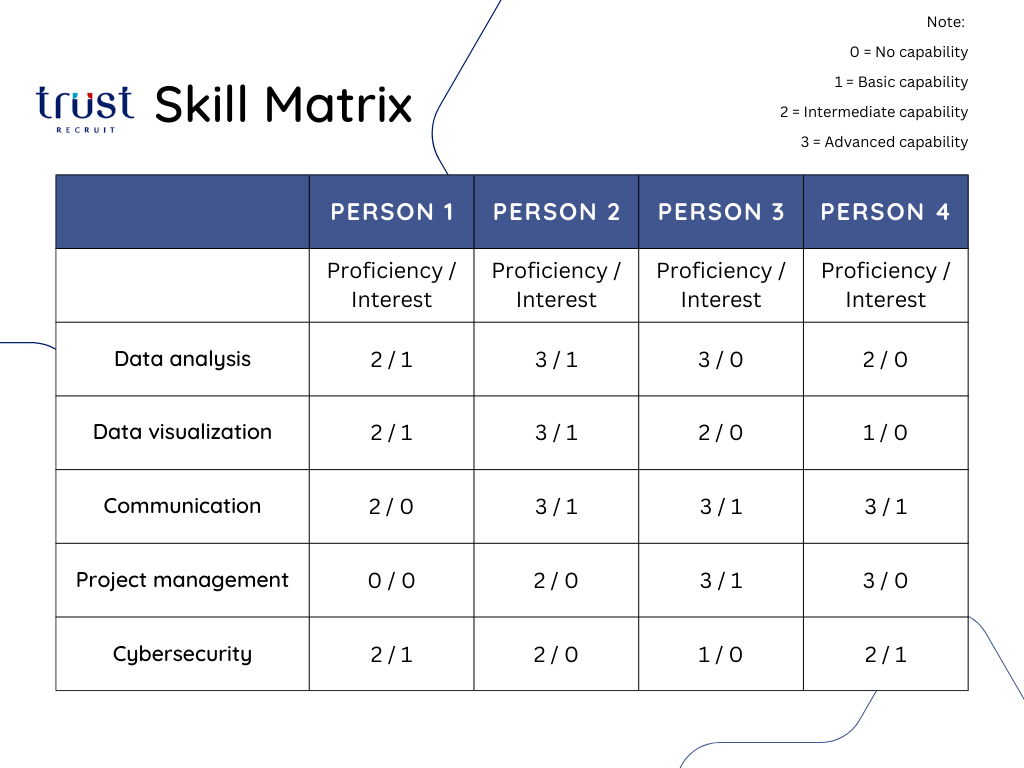
Implementing a Skill Matrix for Comprehensive Employee Feedback
One effective tool for providing comprehensive feedback is a Skill Matrix. This allows managers to assess their team members across a range of predetermined skills, providing a structured approach to constructive feedback. Here’s a simple scale you can use:
Pro Tip: Although not being the easiest approach, it’s preferable to utilize 360-degree feedback, in which information is gathered not just from workers but also from their peers, superiors, and customers. It’s possible to get a more complete picture of each worker’s abilities after you include in their background and experience.
5 Expert Tips for Delivering Constructive Feedback for Employees
Whether you’re a seasoned manager or new to the role, mastering the art of providing constructive feedback is crucial. Here are five proven tips to help you deliver feedback that motivates and drives improvement:
1. Adopt a Growth-Oriented Approach
Frame each piece of feedback as a building block in an employee’s professional development. Contrary to popular belief, honest, constructive feedback won’t harm your relationship with your team when delivered appropriately.
A Harvard Business Review study by Zenger/Folkman found that 57% of respondents prefer to receive constructive criticism over praise. Moreover, 92% agreed that constructive feedback, when delivered appropriately, can significantly improve job performance.
Case Study: Hotjar, a user feedback and analytics company, implements a five-part employee feedback system to maintain high productivity across all departments. This multi-channel approach ensures that employees have various avenues to receive and act on constructive feedback.
2. Focus on Future-Oriented Improvement
To effectively communicate constructive feedback to employees of all personality types, frame your comments in a forward-looking manner. Instead of dwelling on past mistakes, focus on future opportunities for growth.
For example, rather than saying, “Your presentation skills need work,” try, “For your next presentation, if we focus on improving your storytelling techniques, I believe you can significantly enhance your impact and engagement with the audience.”
This approach signals to your staff that growth and learning from feedback are valued in your organization. It’s a crucial step in fostering a culture of continuous improvement through constructive criticism.
3. Inspire and Empower Through Feedback
The most accessible approach to accomplish this is to assist them in identifying their own personal qualities and achievements.
Case Study: Google is a clear example. Rather than focusing on annual evaluations, the company has always placed a premium on continuous feedback and goal-setting for its workers. The idea is that everyone involved would benefit more from using that time to further professional growth.
Managers at Google work side-by-side with their direct reports to help them establish and accomplish their professional objectives. Even Larry Page, one of the business’s co-founders, follows this strategy, setting quarterly goals for himself and the company.
Therefore, what happens? Google has been recognized as one of the finest places to work by Fortune and the Great Place to Work Institute year after year.
4. Maintain Momentum with Constructive Criticism
Nothing dampens employee enthusiasm faster than feeling their hard work goes unnoticed or unappreciated. Use constructive feedback to acknowledge efforts and guide improvements, even when projects don’t go as planned.
Remember, companies like Atlassian and Google have found success by allowing employees to dedicate 20% of their time to innovative, autonomous projects. Many of these initiatives, shaped by ongoing constructive feedback, have led to new revenue-generating capabilities.
5. Foster Innovation Through Feedback
To solve an issue, only some people use the same method. The most excellent strategy to encourage creative thinking is to remove barriers to attempting new things (including the stigma associated with making mistakes).
Case Study: A famous example is Netflix. The undisputed king of TV streaming services is recognized for its vibrant, feedback-focused workplace culture. In fact, on its “Netflix Culture” recruitment website, the word “feedback” is featured 11 times. This website also defines the company’s five cultural principles, which shape employee thinking and behavior.
These guiding principles inspire Netflix workers to exercise agency, creative problem-solving, and teamwork and to communicate distinctive views or dissent.
By supporting a variety of opinions, the organization encourages transparent idea exchange and high-level success. Another research by HBR indicated that companies with high levels of inherent (demographic) and acquired diversity outperformed their rivals.
In these companies, workers were 45% more likely to say their firm’s market share expanded last year and 70% more likely to say it grabbed a new market.
Conclusion
Effective constructive feedback is a cornerstone of employee development and organizational success. While it may take time to establish a reliable feedback system, the benefits are undeniable. By providing timely and actionable feedback, you can foster a culture of continuous learning, improve employee engagement, and drive innovation.
If you’re looking to enhance your feedback processes or need assistance with recruitment, consider partnering with a reputable recruitment company in Singapore like Trust Recruit. Our experienced consultants can help you develop tailored strategies to attract top talent, improve employee performance, and create a positive work environment.
Recruitment vs Talent Acquisition: What’s the Difference?
It’s crucial to know the difference before filling a role. Recruitment and talent acquisition are two different strategies that work together to help you fill roles at your company. Recruitment is focused on finding candidates and attracting them to your open positions, while talent acquisition focuses on assessing their qualifications and deciding whether they’re a good fit.
Let’s take a closer look at recruitment and talent acquisition to understand how these strategies work in the hiring process.
Table of Contents
What is Recruitment?
Recruitment is the process of identifying, attracting, interviewing, selecting, hiring, and onboarding new employees. This involves assessing staffing needs to fill open positions within an organization.
Recruiters typically work with a variety of different tools and techniques to identify and attract potential candidates for a given position. This may include job postings on online job boards, networking events, using social media to target talent, finding passive candidates, and employee referral.
Once potential candidates are identified, they are typically interviewed and evaluated by a team of recruiters or hiring managers. Finally, once an appropriate candidate has been selected, they are successfully hired and onboarded into the organization and their corresponding department.
According to Monster’s latest research, 41% of recruiters reported that the biggest challenge they face in screening candidates is assessing their skills during the interview. Recruiters use interviews to determine if the candidate possesses certain skill sets like:
Technical skills such as programming or data analytics, software proficiency, technical writing, and project management, or
Soft skills, such as leadership and communication abilities, problem-solving skills, critical thinking, time management, and interpersonal skills.
Whether it is a strategic need for an organization or an immediate opening due to turnover, recruitment serves as a way to attract the right candidates for these roles.
According to LinkedIn, 10% of employees leave their jobs within the first year. When employees leave their jobs for any reason, whether it be to retire or resign on short notice, recruiting will help an organization find and hire replacements quickly.
When you hire, you already have a specific idea of what kinds of skills and abilities you need. You also have an idea of what kind of tasks the employee will perform and what kind of background experience the position requires.
A third reason why organizations do recruitment is to meet their current company needs. It can be divided into three types:
Planned recruitment can be used to fill open positions as a result of organizational changes, such as when employees retire.
Unexpected recruitment is used to fill positions because an employee left to pursue other opportunities, retired early, died, or was injured.
Anticipated recruitment is used to fill positions by looking at trends in your external environment (for example, there are a lot of young people graduating from college who would be good candidates for your company or you have several employees who have been in the same position for a long time)
Effective recruiting requires executing repeatable processes that will lead to reliable results that contribute to achieving sustainable business goals. Hence, to find a valuable candidate, you require sophistication to think outside the box to find your ideal candidate.
Talent acquisition refers to the broader process of identifying, attracting, and hiring top talent for an organization.
Unlike recruitment, which focuses on filling specific open positions, talent acquisition is a more strategic approach that involves identifying talented individuals who may be a good fit for the organization at a later date.
This can include creating long-term strategies to attract and retain talent, as well as implementing targeted recruiting campaigns focused on specific talent pools. Many organizations also use sophisticated analytics tools such as:
iCIMS Talent Cloud
Greenhouse Talent Acquisition
Breezy HR
Jobvite
Roho Recruit
SAP
These tools help them identify and source potential candidates, as well as optimize the hiring process to improve their success rate.
When Is The Best Time To Do Talent Acquisition?
1. You Require Niche Talent
One reason why organizations may engage in talent acquisition is to find individuals who possess niche skills or competencies. These industries and their corresponding job posts deal more and more with technology, such as cybersecurity, cloud infrastructure, software development, AI, and Virtual Reality.
By focusing on acquiring top talent across a range of areas, organizations can ensure that they have the necessary skills and expertise to achieve their business goals and succeed in today’s competitive market.
2. Addressing Changing Business Needs
Organizations may focus on talent acquisition to address changing business needs over time. This may involve identifying talented employees who can help the organization navigate any challenges that may arise, such as market shifts or new trends in the industry. Tina Unnikrishnan research believed that some of the new trends include remote interviewing, working on a contract basis, and the application of artificial intelligence to enhance methods of sourcing.
By building a strong talent pipeline and having access to top talent, organizations can be better prepared to respond to and take advantage of these changes when they happen. They will be able to:
Save time in actively recruiting
Get to know candidates if they will fit in the company’s cultural fit
Potential candidates will have a higher probability of wanting to be part of your team
Finally, many organizations engage in talent acquisition to attract and retain top talent. This involves building strong relationships with potential candidates to establish a pipeline of high-potential employees. You can also use advanced recruiting tools and strategies such as social media campaigns like lead generation ads, and employee referrals.
By offering competitive rewards and benefits, organizations can differentiate themselves from competitors and attract the best and brightest employees to join their teams. 80% to 90% of talent change their minds about a role or a company based on candidate experience. Thus, the company has the power to win or lose out on great talent.
Recruitment VS Talent Acquisition – Which Should You Focus On?
While both recruitment and talent acquisition have their place, the best approach depends on your organization’s specific needs and goals. Here’s a quick guide to help you decide:
Focus on Recruitment If:
Focus on Talent Acquisition If:
You have to fill positions quickly
You’re planning for long-term growth
You have well-defined, stable roles
Your industry is rapidly evolving
Your turnover rates is low
You’re competing for top talent in your field
You’re in a stable, traditional industry
You’re in a dynamic, innovative sector
Differences between recruitment and talent acquisition
Implementing a Hybrid Approach
For many organizations, the most effective strategy is a hybrid approach that combines elements of both recruitment and talent acquisition. This allows you to address immediate hiring needs while also building a strong talent pipeline for the future.
Steps to Implement a Hybrid Approach:
Assess Your Current Needs: Identify immediate vacancies and upcoming projects that require specific skills.
Forecast Future Talent Requirements: Work with leadership to anticipate future roles and skills that will be crucial for your organization’s growth.
Develop a Comprehensive Hiring Strategy: Create a plan that addresses both short-term recruitment needs and long-term talent acquisition goals.
Leverage Technology: Implement an Applicant Tracking System (ATS) and use AI-powered tools to streamline both recruitment and talent acquisition processes.
Build a Strong Employer Brand: Develop a compelling employer value proposition that attracts both active job seekers and passive candidates.
Invest in Employee Development: Create pathways for internal mobility and skill development to retain top talent and reduce the need for external hiring.
Regularly Evaluate and Adjust: Continuously assess the effectiveness of your hiring strategies and make data-driven adjustments as needed.
By understanding the nuances between recruitment and talent acquisition, your organization can build a high-performing workforce capable of meeting current and future challenges. Trust Recruit, a leading recruitment agency in Singapore, offers comprehensive solutions to help you attract and retain top talent.
From understanding your unique needs to ensuring a smooth onboarding and recruitment process, we provide personalized support throughout the entire recruitment journey. Contact us today to learn how we can help you build a stronger team.
7 Steps to Craft the Perfect Candidate Profile for a Great Hiring
The Undercover Recruiter recently reported that improper hires can result in expenditures of $240,000. These are divided into hiring, salary, and retention expenses. Furthermore, according to CareerBuilder, almost three-quarters of businesses that made poor hiring reported losing an average of $14,900. 74% of employers claim they made the wrong hiring decision.
That said, businesses and the human resource departments can be under a lot of stress in. Everything needs to be completed more quickly and effectively than before. Hirers are investing in learning how to refine their candidate profiles to become corporate matchmakers in such a competitive market quickly.
Making a candidate profile is one tool that could assist you in human resource management. Learn what a candidate profile is, how to develop one, and advice for producing strong candidate profiles in this article with Trust Recruit.
Table of Contents
What is a Candidate Profile?
A candidate profile meaning a written description of the ideal applicant for a position that is open in your business. A candidate profile resembles a job description. The candidate profile describes the ideal qualities the perfect employee would exhibit, just like the job description describes the specifics of the position and its criteria.
The candidate profile template is intended to highlight discrepancies between a candidate’s development and the criteria for a post. This will enable your business to determine development demands and, as necessary, offer unique growth chances.
Why is the Candidate Profile in Recruitment Important?
Think about these tremendous benefits of employing candidate profiles in recruitment procedure:
1. Makes job descriptions stronger
To identify the best applicants for your consideration, sources and human resources department use candidate profiles and job descriptions in tandem.
Writing a job description that details the education and experience required to do the job correctly is considerably more straightforward when you are clear on the kind of person you want in the role.
2. Enhances sourcing strategy
You can better plan your candidate sourcing if you are aware of characteristics about your prospective applicant, such as their degree of education and previous job experience.
Instead of searching through every possible recruitment channel to find someone with the right qualifications, the human resource department can concentrate on hiring channels that will yield applicants as described in your candidate profile.
3. Provides better results
In the end, developing a candidate profile in recruitment should result in a smoother hiring process and better workers. Your recruitment staff should be able to locate better caliber prospects by using a candidate profile, guaranteeing that you choose the best candidate for the job.
Please keep in mind that establishing an ideal candidate profile can be difficult, time-consuming, and fraught with danger if done incorrectly. With years of recruitment expertise, Trust Recruit provides a tailored approach that guarantees that only qualified applicants are shortlisted for the interview stage. Learn more about our HR services and process.
It takes time and thought to create a candidate profile. Use the 7 following steps to create the perfect candidate profile for any available roles in your company:
1. Determine the main responsibilities
Finding out the primary responsibilities of the available position is the first step. Ask any present workers doing the same jobs about their regular obligations and occasional or as-needed tasks.
Consult the position’s manager or any other direct reports if there are no other employees in the function. To understand what additional responsibilities you might want to put in the role, you can also look at the job descriptions of your competitors.
2. Evaluate the business culture
The available position’s work responsibilities are only one aspect of the complete candidate profile. According to TeamStage, company culture is an important factor for 46% of job seekers. In addition to that, a culture that attracts high-caliber employees leads to a 33% revenue increase. With that being said, your business’s culture, mission, and vision should also be considered.
You want a candidate who gets along well with the present staff and uphold the company’s core principles. To determine what type of talents and characteristics might fit well, observe the interaction between current employees. Review your mission statement and values to assist you in deciding what qualities to seek in a candidate.
You might look to your existing top achievers to assist you in determining what an excellent applicant looks like for your company. Of course, the position you’re trying to replace could be in a different department with unrelated duties and responsibilities.
However, when developing your candidate profile and recruiting new candidates, you can still identify and seek out the attributes you like in your best employees.
Review the list of responsibilities and obligations you made in step one. You may use the following checklist to establish precisely which hard and soft skills the candidate needs to have to do a good job:
Soft Skills – are generally correlated with social or emotional competencies and are regarded as non-technical talents, for example: Teamwork, Leadership, Time management, Decision making, etc.
Hard Skills – are more technical and frequently closely associated with a particular profession or occupation. Those are skills that can be learned such as Coding, Designing, Content Creation, etc.
Write a persuasive paper that clearly defines your ideal applicant for the available position using the information you’ve gathered. This data can be arranged in whichever your hiring team thinks is perfect.
A visual chart that makes it simple to see the characteristics associated with each category, such as hard talents, soft skills, and job obligations, is preferred by some businesses. Others choose a job description complemented by a bulleted list of qualifications only. Work with your hiring team to design a document that benefits you and them.
6. Select the most effective sourcing channels
Determine which sourcing channels will provide the most qualified individuals. Popular networking and job search sites like LinkedIn, Glints, Indeed, and others have since dominated the job search and hiring landscape, but they still have limitations.
Recruitment companies could be more expensive than the platform or advertising charge for your job adverts. However, you can relax knowing that the various advantages outweigh the disadvantages of using them.
At Trust Recruit, we strive to provide the most time- and cost-saving HR and recruiting solutions specific to your industry. Get in touch with us today for deeper insights into your recruitment strategies.
7. Consult the candidate profile
Throughout the hiring process, refer to the candidate profile. One individual or a small team will utilize the profile throughout each stage of the prospect search process if your organization employs the full-cycle recruitment methodology.
Ensure each employee has access to the candidate profile and utilizes it to guide their hiring decisions if you have different staff members controlling each stage of the recruiting process.
Conclusion
A candidate profile can be a valuable tool for your hiring and recruitment efforts. Understanding how to create an effective profile and ensuring everyone involved in the recruiting process consults it is essential for successful results.
If you’re looking for expert guidance on creating candidate profiles or need assistance with your overall recruitment process, consider partnering with a reputable recruitment agency in Singapore. Our consultants can provide tailored advice and support to help you attract and hire top talent.
10 Know-How to Negotiate A Higher Salary During An Interview!
Ever felt at loss or embarrassed when negotiating your salary during an interview? Want a higher salary but not sure how to approach the matter? You are not alone. 1 in 4 candidates doesn’t know how despite 70% of managers expecting them to be capable of doing so.
This is due to a lack of knowledge of negotiation skills and familiarity in such situations. Therefore, being ignorant about asking for more money only puts you at the losing end.
You don’t want to be facing that down the road. Equip yourself today with these salary negotiation techniques and put yourself in an advantageous position.
Table of Contents
1. Don’t Undermine Yourself When Asking For Higher Salary
For starters, be confident. Before any negotiation, people automatically discount themselves when they feel lacking in one area or another. This inferiority can influence your negotiation ability for the worse.
A worker is worth his wages. Here’s how you can justify a higher salary:
Find out what is the industry benchmark for your qualifications and experience. You can start your research at platforms like PayScale and Glassdoor.
List down your strengths. Demonstrate how your experience and expertise are relevant to the job you are applying for.
Assess your shortcomings and detail how you plan to compensate. For instance, if you have an extended period of unemployment, show how you spent that time productively to value-add to your marketable skills (e.g. taking up courses or learning a new language).
Another effective salary negotiating tactic is to create a personal rapport with the interviewer. This is so that he/she doesn’t see you as another cog in the wheel.
Be intentional in your conversations. Look up more about the management profile on the company’s website or LinkedIn. Find common topics you can bond over (e.g. company history, interests, etc).
Nowadays, virtual interviews are your main point of contact with your interviewer. Hence, it is good to take note of the following:
Smile. Be friendly and approachable.
Engage in small talk for a start.
Mirror the interviewer’s expressions.
Nod when you agree with the points made.
3. Wait For The Opportune Moment
Timing is everything. According to the best-selling job-hunting book “What Colour Is Your Parachute”, the best time to negotiate salary is when the company decides that they want you. Here’s a clue. The interviewer would mention that you would be a great fit and extend the offer.
Avoid negotiating early in the interview process. This would signal to most interviewers that you are more focused on the money than the job. It can also trap you within a salary ballpark; making it difficult to negotiate for significantly more.
Be patient and wait till the offer has been communicated. Here’s when you are best primed to bargain. Start discussing the terms and conditions of your salary package.
4. Make Your Remuneration Requests Clear
When negotiating, categorise your requests and ask for them accordingly. Items in your offer should be divided into direct and indirect compensation.
Negotiate the monetary compensation first. After reaching an agreement on those, move on to the non-monetary items. Do keep an open mind to suggestions that the employer offers. Certain forms of compensation like free meals may not be something you have thought about. However, it may be worthwhile to you.
5. Anchor The Discussion In Your Favor
Start the discussion by proposing a pay range. Never state a fixed amount. For instance, you find yourself deserving of a salary range of $60,000 to $70,000. However, you feel that the next tier is within reach.
You can frame your proposition as, “Correct me if I’m wrong, but I understand that people with my experience typically fetch $70,000 to $80,000.”
This is a humble yet assertive statement. People usually make estimates by starting from an initial value that is then adjusted to yield the final answer. Therefore, the $70,000 to $80,000 range is a powerful anchor. It acts as a reference point that could steer your salary upwards.
6. Read The Room
Was your potential employer taken aback by your opening offer? Reduce the tension by lightening the mood. A Havard study concluded that humour, used appropriately, can be effective to negotiate salary.
In this case, diffuse tensions by making a joke. Laugh it off and interject with something more light-hearted like, “I’m sorry, I know that figure is too high.” However, your counterpart can take the joke the wrong way. Hence, humour should be kept as a last resort.
Our advice – tactfully navigate your opening offer.
7. Manage Your Emotions
Feeling like the conversations are heating up? Consciously remind yourself to be courteous at all times. Every touchpoint is an opportunity to develop a relationship and build your reputation with your potential new employer.
Here are some suggestions:
When faced with a low offer, show your gratitude first. Then justify why you deserve better terms.
Frame your requests in an understanding manner. Use phrases like “I’m wondering”, “if you could share with me”.
Propose alternatives. When facing an impasse, you can suggest arranging a bi-annual performance review to be drafted into your contract.
Your polite demeanor and maturity will leave a good impression on your potential employer. It may well be the deciding factor in the success of your salary negotiation.
8. Don’t Just Talk, Listen Attentively
When seeking clarification, pay close attention to what the interviewer is saying. Incorporate his/her needs to develop a win-win solution for both parties. This would communicate to them that they are being heard. Active listening means paraphrasing, inquiring, and acknowledging.
Paraphrasing – Catch the key terms used by your interviewer and incorporate them into your replies. Start your sentences with phrases that show him/her that you heard them. (E.g. if I understand correctly or you’re concerned with)
Inquiring – Probe further. Start your reply with phrases that induce the interviewer to elaborate more: ‘help me understand’ or ‘let’s talk more about’.
Acknowledging – Let the interviewer know that you’re conscious of his/her concerns by including phrases like, ‘it sounds like’, ‘so much so that you have serious concerns’.
Now, assert your viewpoint and propose a creative solution that satisfies everyone.
9. Never Settle For Too Low A Salary
Although you have been negotiating for some time, there is still no consensus. Don’t settle, push through. The risks are worth it. Those willing to take risks tend to be better negotiators.
A Harvard study on salary negotiation showed that being competitive when asking for a higher salary is an effective strategy. Those who did so increased their starting pay by an average of $5,000.
Emphasize the benefits you bring to the table. Tensions may be high when you continue bargaining. However, if you’re not asking for something ludicrous, there’s a chance you get the salary you want.
10. Put It In Writing
Having settled on a remuneration package, it is vital to ask for written documentation. Besides the basic salary amount, you should include other forms of remunerations such as bonuses or stock options. Non-monetary benefits like flexi-work arrangements and parental/childcare leave should also be in writing.
Ensure that these statements are in print when you and your prospective employer sign the contract.
Conclusion
Now that you’ve learned how to negotiate a higher salary, it’s time to put those skills into practice. By utilizing the tactics and techniques discussed, you can increase your chances of securing the compensation you deserve.
If you’re looking for additional guidance on salary negotiation or need assistance with your overall career development, consider partnering with a reputable recruitment company in Singapore. Our experienced consultants can provide personalized advice and support to help you achieve your career goals.
How to Secure a Job Post-COVID? Here’s 7 Effective Tips!
With the extensive disruption, 25% more workers may need to switch occupations before Covid. Some jobs may have already been obsolete. The new norms of remote or flexible work arrangements made traditional models commercially unviable. McKinsey reported executives to expect to reduce office rental and business travel by 30% and 20% respectively.
Yet every crisis can be an opportunity. Although the pandemic crippled traditional industries like travel, hospitality, and F&B, it also gave the tech industry its rise to prominence.
Is your job at risk of being obsolete? Looking at how to stay competitive in the job-hunting landscape in Singapore? Here’s how to secure a job in a post-Covid-19 world. Read on to find out what skills and approaches are relevant and in-demand.
Table of Contents
7 Tips to Secure Jobs in a Post Covid-19 World
1. Become Effective in Virtual Networking
Now that remote work has become a staple in professional life, networking events of all sizes have shifted to online formats. Expect to conduct much of your career development virtually for the foreseeable future.
To make the most of virtual networking, consider these points:
Aim for focused sessions of about 90 minutes with a small group of participants.
Work on your body language and learn how to convey sincerity through a single camera lens.
Ensure your virtual background is professional and your technology is reliable.
Remember, the key to successful virtual networking is quality interactions, not just quantity.
2. Build Authentic Relationships
Networking is about building relationships, not just collecting contacts. Start by asking what you can do for others rather than immediately seeking job opportunities. Make a list of ways you can help people in your network, whether it’s recommending a connection for their project or sharing an exclusive resource.
Growing your network authentically requires patience. The connections you initiate can create new opportunities over time, so invest in nurturing these relationships without rushing for immediate results.
3. Actively Engage In Online Conversation
Zoom fatigue is real. People tire out more easily from video meetings than physical meetings. How you interact with them over the screen can mean a world’s difference. Here are some tips on how to engage with others virtually.
Position The Camera Like with physical interactions, people would prefer to interact with you face to face. The other party should not be looking up your nose or speaking to your side profile. Place your camera well to ensure others would look directly at you during the conversation.
Maintain Eye Contact People can tell when you are distracted. Your wandering eyes would have already betrayed you. When on video, you are likely to spend the most time gazing at your face and looking at pop-up notifications. Avoid this by hiding yourself from view and closing other background apps.
Engage with Your Body While you may be holding this conversation in the comforts of your own home, your appearance still matters. Sitting upright and dressing appropriately signals respect given to others for their time. Also, show that you are following the conversation by nodding or responding every few minutes.
4. Be Culturally Sensitive
Cultural sensitivity and awareness greatly value-add to your conversations. There have been huge efforts in advocating for inclusivity in the workplace in recent years. Forbes found that companies with diverse ethnic and cultural representation outperformed their competitors by 36% in profitability. As such, more inclusive events have been organized corporately.
As with most virtual networking, you may receive an introduction brief on the people involved before the session. Be intentional in finding out about their background, including ethnicity and culture. Note potential contentious topics to avoid unnecessary misunderstandings.
45,600 expected layoffs could spell trouble for the retail, food and beverage, and recreation sectors. No one can afford to be complacent; given today’s circumstances. Even established businesses have to pivot to stay afloat. As an individual, acquiring complementary skills that allow you to move up the ladder or to a growing industry is crucial.
6. Get Transferable Skills
What are these in-demand skills then? Glad you asked. They are relevant skills that allow you to take on new or redesigned job roles within the same or adjacent industry. For example, a hawker chef can be trained to be proficient in using digital technology like delivery and payment platforms. Enabling him to secure orders and expand his reach.
Aim to learn skills that are transferable across industries. You’ll benefit from the increased flexibility and wider range of jobs to choose from. Digital marketing is a good example of a useful skill across all industries. MySkillsFuture offers a wide array of heavily subsidized courses that are taught by accredited instructors.
7. Upskill to Tech-Related Roles
Covid has accelerated digital transformation processes across various industries. Regardless of job seniority, over 75% of job requests received calls for adequate digital competencies. More importantly, roles requiring digital skills pay 29% over those roles that do not.
For example, big data, cloud computing, artificial intelligence, the Internet of Things, and blockchain have gained greater prominence over the past 2 years. As experts in these domains are in high demand, companies are generous in their remuneration package for them.
A Google Blockchain Engineer can make as much as $175,000. Amazon is currently looking for a Digital Currency Product Lead, amongst a host of other blockchain-required roles. Other tech giants like Facebook, IBM, and Microsoft are also offering similar packages.
In Singapore, Zoom, Twitter, PayPal, Tencent, and Alibaba have increased their stake here with a record $17.2 billion invested last year, producing more than 19,000 jobs. ByteDance is actively recruiting with more than 340 jobs posted for engineers and senior management positions. While Zoom is hiring hundreds of engineers for their upcoming R&D facility.
Position yourself by attending Blockchain Business Models and Machine Learning courses online, taught by top US universities – Duke University and Stanford University. Thanks to its 100% online format, you can plan your lessons around your current schedule and learn at your convenience.
It is now a necessity to be adept in skills that are transferable and future-proof. Possessing such skills will make you stand out from the crowd. It will put you in good stead to move forward with the future. Start exploring those platforms now, as you gain relevant skills that help you to stand out among other applicants.
If you require professional guidance to navigate the next step in your career, consider connecting with a recruitment company in Singapore or HR services. At Trust Recruit, our consultants are ready to provide personalized advice to help you secure your next opportunity in this evolving job market.